How Much Does Glass Replacement Cost On The Central Coast (2026 Pricing Guide)
Glass replacement is one of those services people rarely think about until it becomes unavoidable. A cracked window, shattered door panel, or damaged shower screen immediately raises questions around safety, timing, and cost. While many expect a simple price list, glass replacement pricing is influenced by a wide range of variables that are not always obvious at first glance.
In 2026, glass replacement costs continue to reflect factors such as material selection, safety compliance, labour requirements, and installation conditions. This guide explains how those costs are calculated, why prices can differ from one job to another, and what a professional glazier looks for when providing a quote. Understanding these elements helps set realistic expectations and highlights why accurate pricing always starts with an on-site assessment.
Why Glass Replacement Pricing is Never One-size-fits-all
Glass replacement pricing varies because every installation involves a unique combination of materials, conditions, and compliance requirements. Even two windows of similar size can attract different costs depending on how and where they are installed. A glazier’s role is to assess these variables carefully to ensure the replacement glass is suitable for its purpose.
Several key factors influence pricing, including:
- The type of glass required to meet safety and performance standards
- The overall size and thickness of the panel
- The complexity involved in removing the old glass and installing the new unit
These elements affect both material costs and labour time. A tailored assessment ensures the glass performs as intended, rather than relying on generic pricing that may overlook important details.
How Different Glass Types Affect Replacement Costs
Glass type is one of the most significant contributors to overall replacement cost. Standard float glass is generally more affordable, but it is only suitable for certain applications. In many situations, safety standards require tougher alternatives.
Toughened glass involves heat treatment to increase strength and shatter resistance, which adds to production costs. Laminated glass incorporates bonded layers that hold together when broken, improving safety but increasing material expense. Double glazed units are more complex again, combining multiple panes with sealed cavities for insulation and noise control. Each option involves different manufacturing processes, installation techniques, and compliance checks, all of which influence pricing and lead times.
Size, Thickness, and Custom Cuts: Where Costs Start to Climb
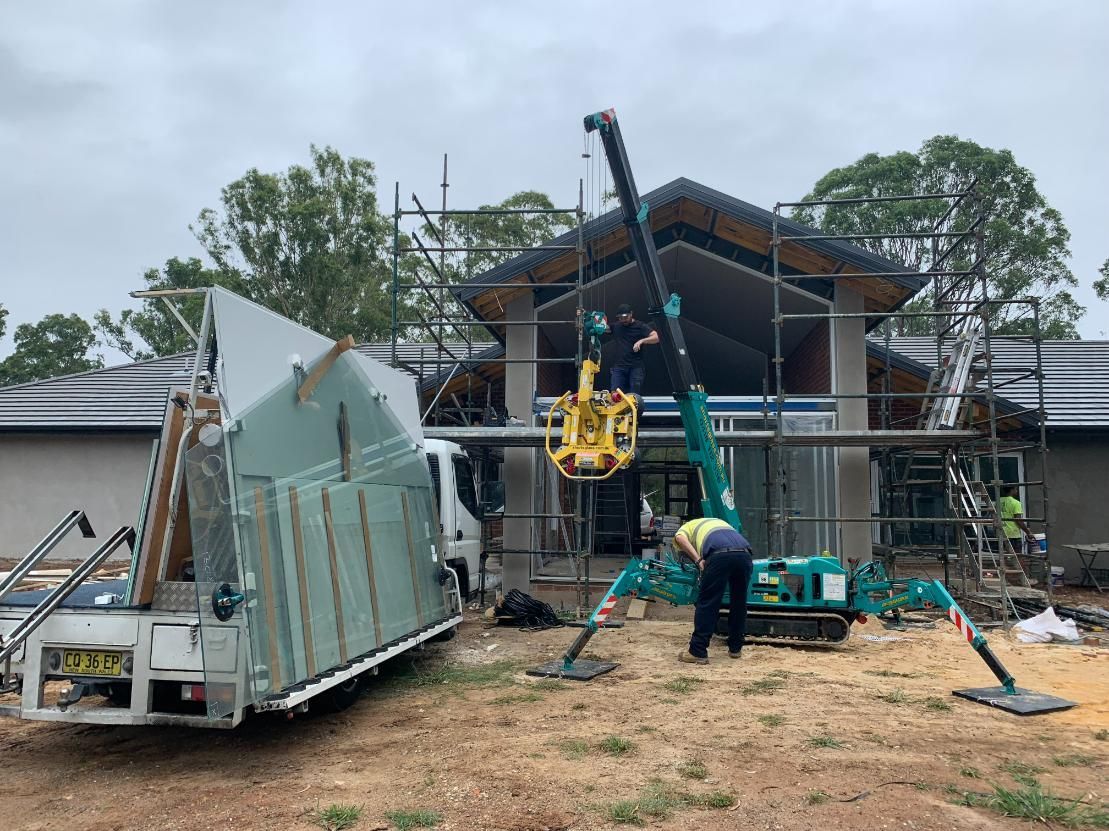
As glass panels increase in size or thickness, replacement costs tend to rise steadily. Larger panels require more raw material and place greater demands on handling, transport, and installation. Thickness also plays a role, as heavier glass often requires additional labour or specialised equipment.
Cost factors commonly associated with larger or custom panels include:
- Thicker glass to meet strength and safety requirements
- Non-standard shapes or precise cut-outs
- Increased labour for lifting, positioning, and securing
Accurate measuring is critical in these situations. Professional measuring and cutting reduce the risk of errors, delays, or repeat installations, which helps manage costs over the life of the project.
Access Issues and Installation Complexity That Impact Pricing
The physical environment surrounding a glass replacement job can significantly affect pricing. Limited access, elevated installation points, or confined working spaces often require additional planning and safety precautions. These conditions can increase labour time and influence how the job is approached.
For example, glass installed above ground level or in tight internal spaces may require specialised tools or multiple installers to manage risk safely. A glazier factors these challenges into the quote to ensure the work can be completed efficiently and in line with safety requirements. While access-related costs are sometimes unexpected, they are essential for ensuring correct installation and long-term performance.
Residential Versus Commercial Glass Replacement Costs
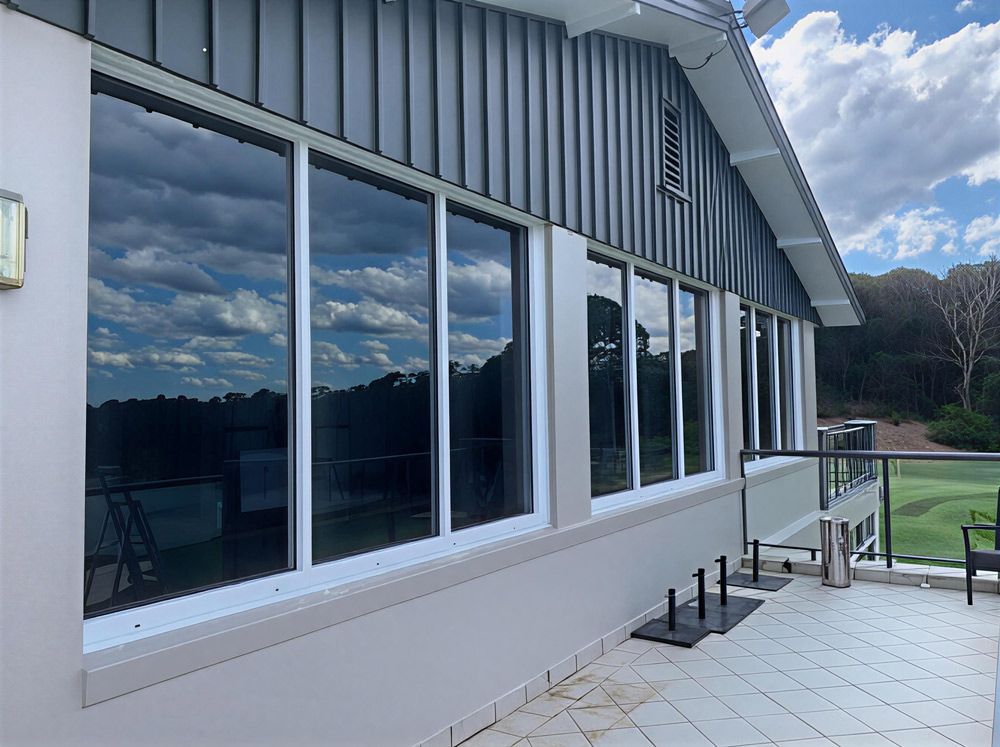
Residential and commercial glass replacements differ not only in scale but also in expectations and compliance requirements. Commercial glass often needs to meet stricter safety and performance standards, particularly in high-traffic areas.
Typical differences include:
- Greater use of safety-rated or thicker glass in commercial settings
- Larger panel sizes for shopfronts or office spaces
- Installation scheduling to minimise operational disruption
Residential replacements may involve smaller panels but still require careful consideration, especially in bathrooms, doors, or balustrades. Understanding these distinctions helps explain why pricing structures vary between residential and commercial projects.
Emergency and Urgent Glass Replacements: What Changes the Price
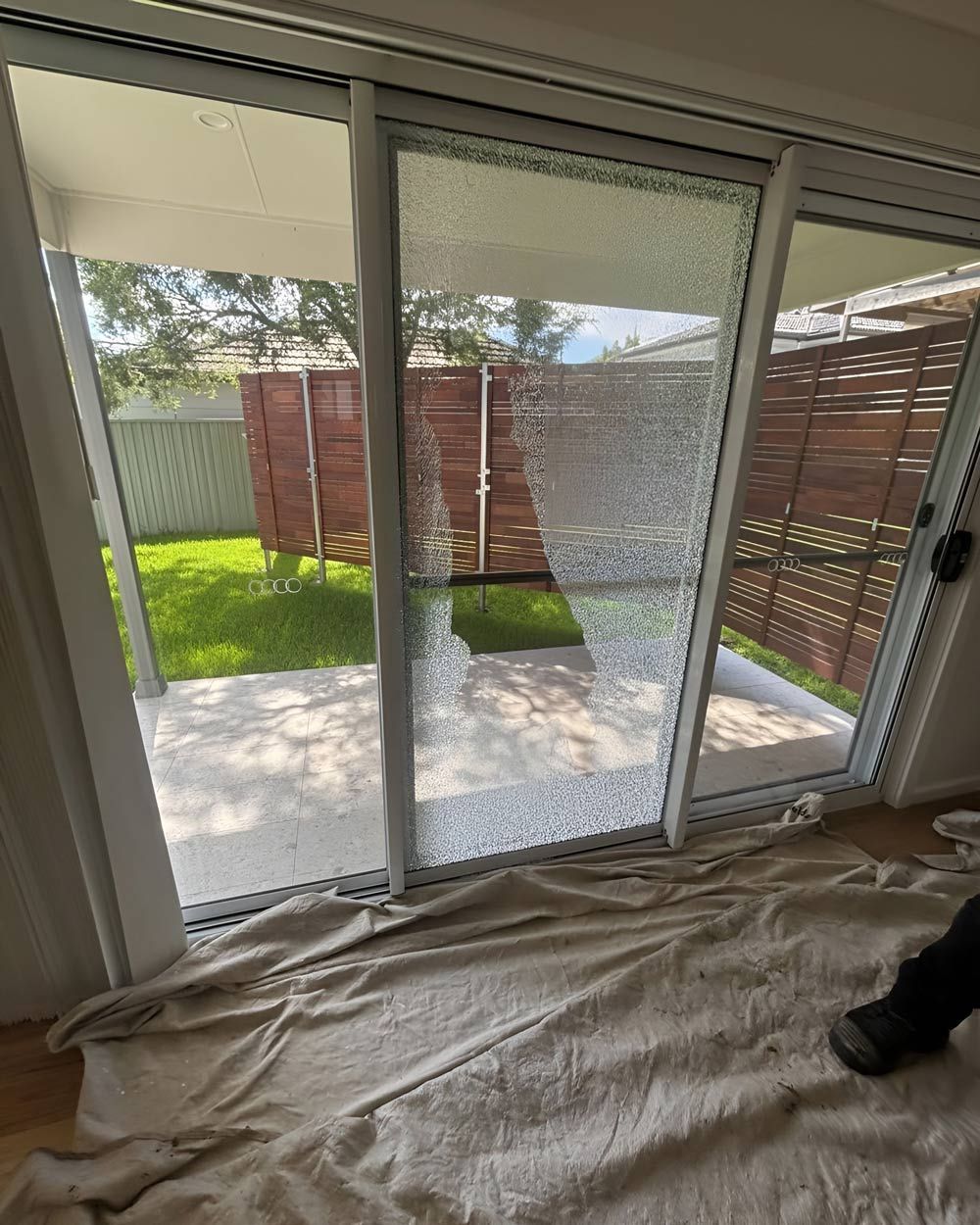
Urgent glass replacements often involve additional costs due to the need for immediate action. Broken glass can pose safety risks, weather exposure, or security concerns, making prompt replacement important in certain situations.
Emergency work may require after-hours attendance, temporary boarding, or rapid sourcing of suitable glass. These factors affect availability and scheduling, which can influence pricing. While not every replacement is urgent, understanding how time sensitivity impacts cost helps clarify why urgent jobs are priced differently from scheduled replacements.
Glass Replacement Across Windows, Doors, and Specialty Applications
Glass replacement costs also vary depending on the application. Each type of installation has its own functional and compliance considerations that influence material choice and labour requirements.
Examples include:
- Windows and doors requiring safety glass in specific locations
- Shower screens and splashbacks needing moisture-resistant finishes
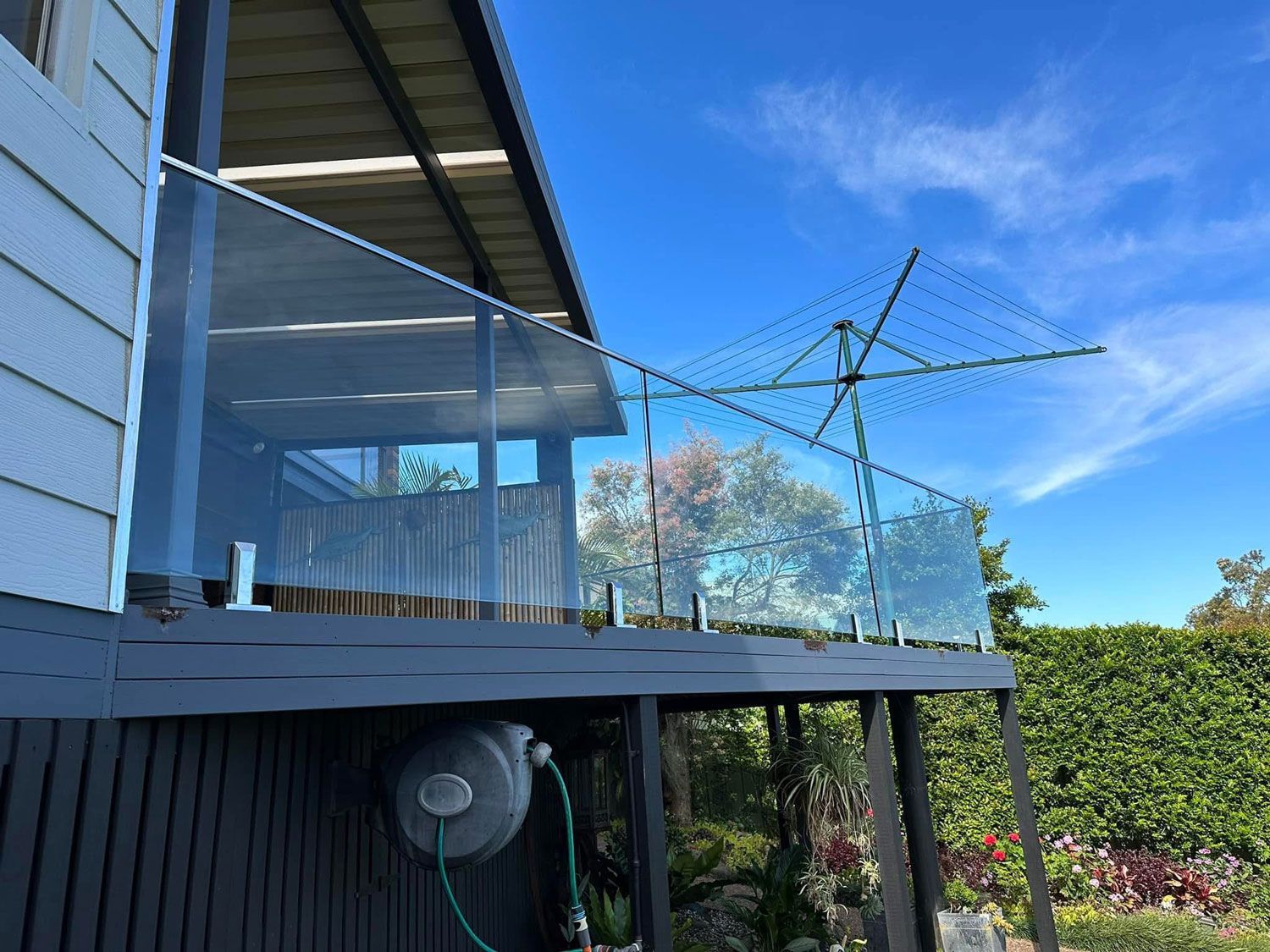
- Pool fencing and balustrades requiring regulated thickness and fixing systems
Each application is assessed individually to ensure the replacement glass meets both functional needs and regulatory standards. This tailored approach ensures safety and durability while providing clear pricing for each type of installation.
Why a Professional Measure and Quote is the Only Accurate Price Guide
Online pricing guides can offer general insights, but they cannot account for the specific conditions of individual jobs. A professional measure and quote allows a glazier to assess glass type, size, access requirements, and installation complexity accurately.
This process reduces the likelihood of unexpected costs and ensures the replacement glass is appropriate for its intended use. Experience is critical here, as it allows potential challenges to be identified early. A detailed quote provides clarity, helping clients make informed decisions before committing to glass replacement work.
We at Central Coast Glass & Glazing understand that glass replacement costs on the Central Coast can vary depending on the type of glass required, the size of the panel, site access, and whether the job is urgent. With over 30 years of experience, we provide free quotes and handle glass replacements across windows, doors, shopfronts, shower screens, splashbacks, pool fencing, and balustrades, with turnaround times based on availability. For the most accurate pricing, the best next step is to speak with a local glazier for a professional measure and quote. Visit https://www.centralcoastglass.com.au/ to contact us and arrange an assessment.