Choosing The Right Glass Type For Commercial Projects
Walk through any business district on the Central Coast and you'll notice how much glass shapes the way a building looks and functions. Shopfronts, office partitions, entry doors and high-rise facades all rely on glass to let light in, keep people safe and give a space its character. What most people don't see is the decision-making behind that glass. Choosing the right glass type for commercial projects involves weighing up safety standards, budget, climate and how the space will be used, long before installation ever begins.
Why Glass Selection Matters for Commercial Projects
Glass isn't a single product with one set of properties. Each type is manufactured differently and performs differently under stress, temperature change and daily wear. A retail fitout has different demands to a medical centre or a warehouse office, and the wrong choice can mean costly replacements or compliance issues down the track.
Getting this right at the planning stage saves time and money later. Some of the practical factors that influence the decision include:
- The building's location and exposure to weather or coastal conditions
- Foot traffic and the likelihood of impact or accidental breakage
- Whether the glass needs to meet specific safety or noise requirements
- The overall budget and timeline for the fitout or build
Understanding Your Options: Tempered, Laminated, Toughened and Low-E Glass
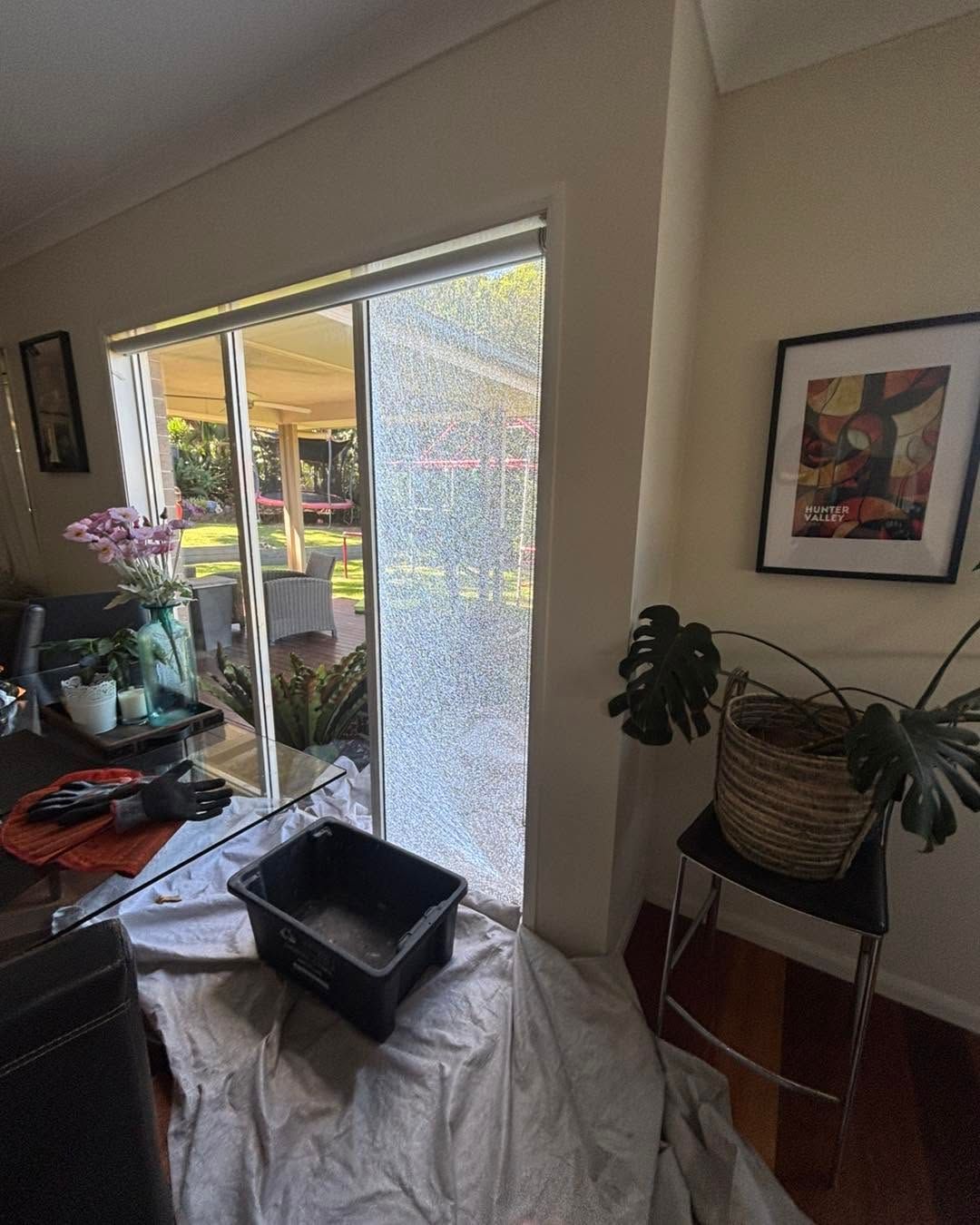
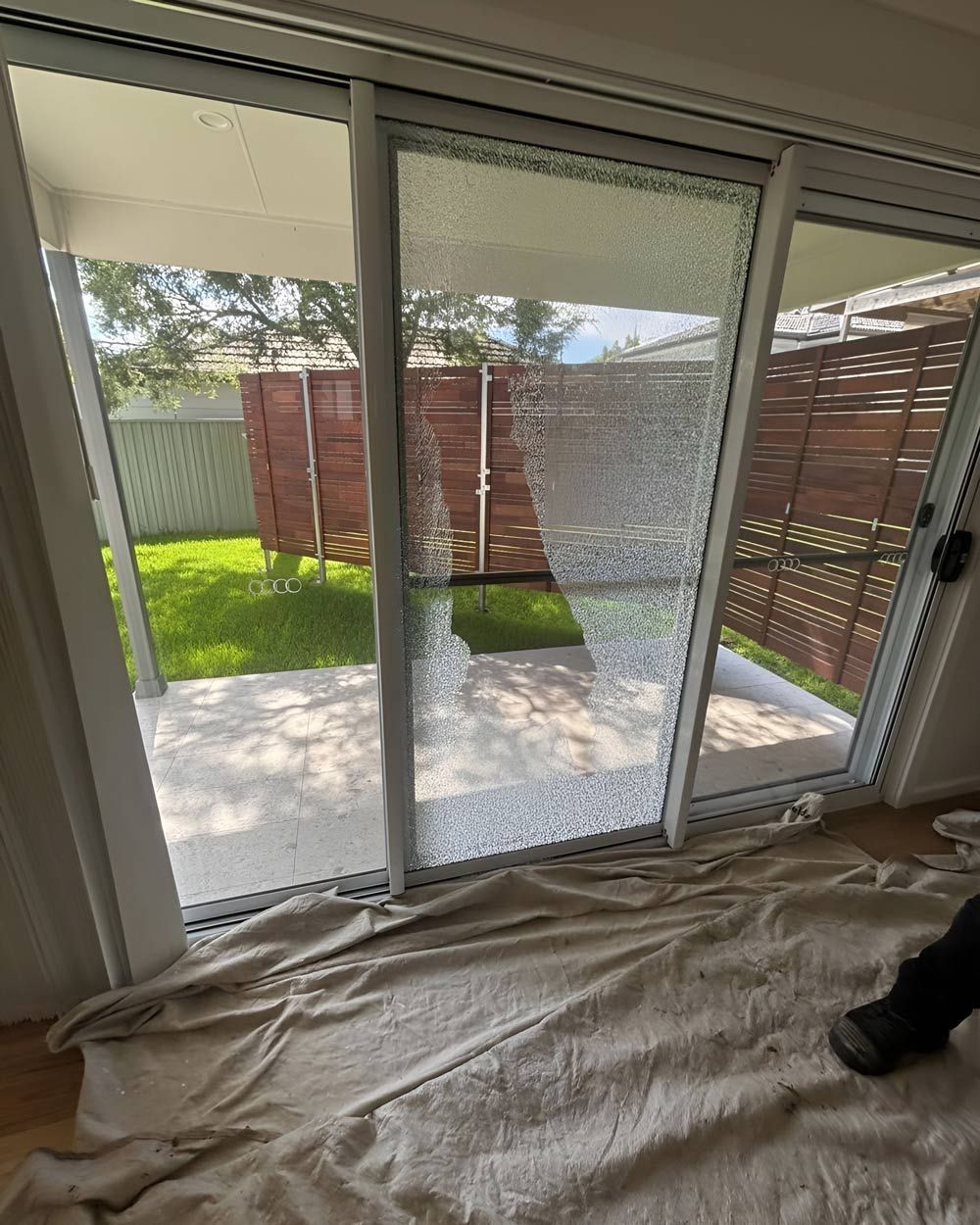
Commercial glazing generally falls into a handful of categories, each suited to different applications. Tempered glass, also known as toughened glass, is heat treated to increase its strength and, if it breaks, it shatters into small blunt pieces rather than sharp shards. This makes it a common choice for doors, shopfronts and internal partitions.
Laminated glass is made by bonding two or more layers of glass with an interlayer, usually PVB. If the glass is broken, the layers hold together instead of falling apart, which adds a layer of security as well as safety. Low-E glass has a microscopically thin coating that reflects heat while still allowing natural light through, making it useful in climate-controlled commercial spaces.
- Tempered/toughened glass: strong, safety-rated, breaks into small pieces
- Laminated glass: holds together on impact, good for security and sound control
- Low-E glass: reduces heat transfer and helps manage energy costs
Safety and Compliance with Building Codes
Commercial buildings in Australia need to meet the requirements set out in the National Construction Code and relevant Australian Standards, including AS 1288 for glass in buildings. Depending on the location and use of the glass, certain areas are classed as human impact zones and require safety glazing such as toughened or laminated glass.
A qualified glazier will assess:
- Which areas of the building are classified as impact-prone, such as doors and low-level windows
- Whether the glass needs a specific safety rating for its location
- Any additional requirements tied to fire safety or accessibility standards
Getting this wrong isn't just a compliance risk, it can also affect insurance and occupancy approval, so it pays to involve a glazier early in the design process.
Durability and Performance Considerations
Commercial spaces see more wear than residential ones, so durability is a genuine consideration rather than an afterthought. Glass exposed to constant foot traffic, cleaning chemicals or coastal air needs to hold up over years of use.
Some practical questions worth asking during the planning stage:
- Will the glass be exposed to salt air or direct sun for extended periods?
- Does the space need impact-resistant glass near entries or high-traffic zones?
- How often will the glass be cleaned, and with what products?
Choosing a glass type that suits the specific environment reduces the likelihood of premature wear, cracking or discolouration.
Energy Efficiency and Noise Reduction
Glass plays a bigger role in a building's energy performance than many people realise. Large glazed areas can let heat escape in winter and let it build up in summer, which puts pressure on heating and cooling systems. Low-E glass addresses this by reflecting radiant heat while still letting in visible light.
Noise is another factor, particularly for offices near busy roads or shopping strips. Laminated glass, and in some cases double glazing, can reduce sound transfer significantly compared to standard single-pane glass.
Benefits worth considering include:
- Lower heating and cooling costs over the life of the building
- A more comfortable working environment for staff and customers
- Reduced external noise in busy commercial areas
Choosing Glass for Storefronts vs. Office Partitions
Storefronts and office partitions serve different purposes, so the glass used in each tends to differ as well. Storefronts need to withstand impact, support signage or branding and often incorporate larger uninterrupted panels for visibility. Toughened glass is a common choice here due to its strength and safety profile.
Office partitions, on the other hand, are usually about creating separation without losing natural light or a sense of openness.
Considerations for each application include:
- Storefronts: impact resistance, UV exposure, size of glass panels
- Partitions: sound control, privacy options such as frosting, ease of installation
- Both: compliance with safety glazing standards for the relevant zone
Aesthetic Appeal and Cost-Effective Decision Making
Glass contributes to the overall look and feel of a commercial space, but appearance shouldn't come at the expense of function. Frameless glass, tinted panels and decorative finishes can all be used to create a particular aesthetic, provided the glass type still meets the practical requirements of the space.
Balancing appearance with budget often comes down to a few decisions:
- Selecting a glass type that meets safety requirements first, then refining the look
- Comparing long-term durability against upfront cost
- Considering maintenance requirements for different finishes and coatings
A glazier can usually suggest options that achieve the desired look without compromising on performance or compliance.
Getting Expert Advice for Your Glazing Project
Every commercial project has its own set of requirements, shaped by the building's use, location and design brief. Speaking with a glazier early in the process means glass selection is factored into the plan rather than being an afterthought once construction is underway. This is particularly relevant for older buildings that may need glass replaced or upgraded to meet current standards.
An experienced glazier can talk through the practical trade-offs between different glass types and help match them to the specific demands of the project, from safety compliance through to energy performance and appearance.
Speak With a Commercial Glazier
We at
Central Coast Glass work with local businesses across the region on commercial glazing projects of all sizes, from single shopfront upgrades to full office fitouts. If you're planning a project and want advice on choosing the right
glass on the Central Coast, we're happy to talk through your options and what suits your building and budget.
Give us a call or
send through the details of your project, and we'll help you plan the next steps for your job.
FAQs
What's the difference between tempered and laminated glass?
Tempered (toughened) glass is heat treated for strength and breaks into small, blunt pieces if it fails. Laminated glass consists of layers bonded together with an interlayer, so it tends to stay intact even when cracked, which adds a security benefit.
Do all commercial buildings need safety glass?
Not all glass in a commercial building needs to be safety rated, but areas classified as human impact zones, such as doors and low-level windows, generally do. A glazier can assess which parts of your building fall under these requirements based on the National Construction Code and AS 1288.
Can Low-E glass really reduce energy costs?
Low-E glass reflects radiant heat while still allowing natural light through, which can reduce the load on heating and cooling systems over time. The actual savings depend on the building's orientation, size and existing insulation, so results vary from project to project.
How do I know which glass type suits my project?
The right glass type depends on factors like location, foot traffic, noise levels and whether the area is classed as an impact zone. Speaking with a glazier during the planning stage helps match the glass to the building's specific requirements rather than guessing after the fact.