Common Causes Of Glass Breakage In Homes And Offices
A single crack in a window pane rarely stays a single crack for long. What starts as a hairline fracture in the corner of a sheet of glass can spread overnight, turning a small nuisance into a safety hazard or an emergency repair job before breakfast. The common causes of glass breakage are more varied than most property owners assume, ranging from a stray cricket ball to something as invisible as a shift in temperature. Understanding what's really behind a shattered pane helps homeowners, office managers and builders make smarter decisions about the glass they choose, how it's installed and when it needs a professional eye.
Why Glass Breaks More Often Than You Think
Glass looks solid and unchanging, but it's actually reacting constantly to the forces around it, weather, pressure, age and the quality of its original installation. Most people only think about glass when it's already broken, yet the warning signs are often there well before that point. A qualified Glazier Central Coast homeowners rely on can usually trace a breakage back to one of a handful of recurring issues rather than pure bad luck.
Some of the most frequent triggers include:
- Sudden impacts from objects, tools or falling branches
- Temperature swings between day and night or seasons
- Poor-quality installation that leaves glass under strain
- Age-related weakening in older window and door panes
- Movement in the surrounding building structure
Impact and Accidental Damage
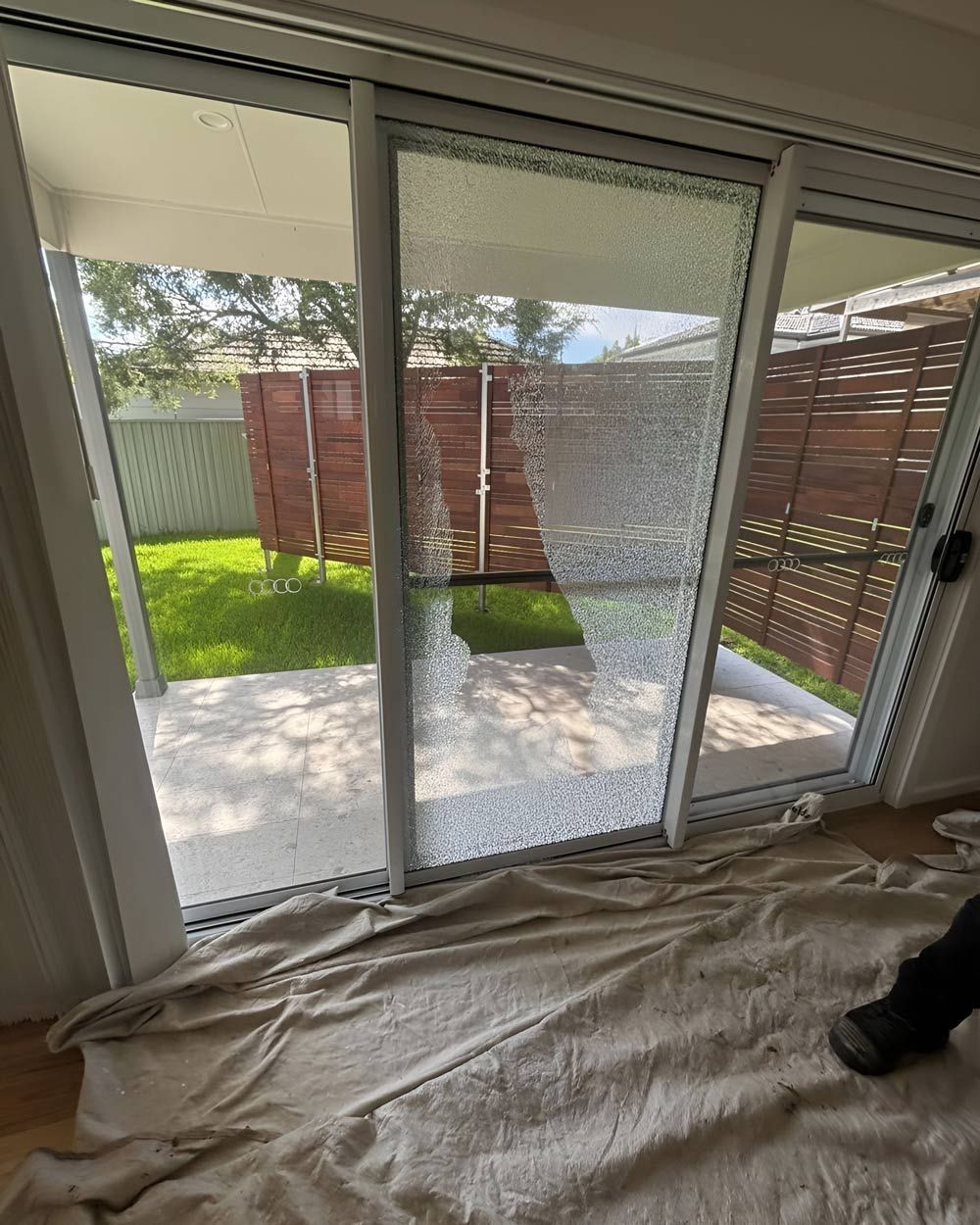
Direct impact remains one of the most straightforward causes of broken glass, and it covers everything from a dropped hammer during renovations to a soccer ball misjudged by a few metres. Offices face their own version of this risk, with furniture being moved, deliveries bumping against glass partitions or foot traffic through busy entryways. The damage isn't always instant either; a small chip from an impact can act as a stress point that eventually spreads into a full crack days or weeks later.
Common accidental causes include:
- Falling branches or debris during storms
- Tools or equipment knocked against windows
- Sporting equipment such as balls or bats
- Furniture or trolleys colliding with glass panels
- Pets or children bumping into glass doors
Thermal Stress and Temperature Fluctuations
Thermal stress glass failure is one of the less obvious culprits, and it catches plenty of property owners off guard because there's no visible impact to explain the crack. When one part of a glass pane heats up faster than another, usually the centre versus the edges, the uneven expansion creates tension that the glass can't always absorb. This is especially common with darker tinted glass, glass partially shaded by blinds or curtains, or panes exposed to direct sun for long stretches followed by a cool change.
Situations that commonly trigger thermal cracking include:
- Direct sunlight hitting part of a window while the rest stays shaded
- Rapid cooling after a hot day, particularly with sprinklers or rain
- Dark films or tints absorbing extra heat unevenly
- Poor ventilation trapping heat against the glass surface
Improper Installation
Glass that's fitted incorrectly is essentially damaged from day one, even if it looks fine for months or years afterward. Frames that are too tight leave no room for natural expansion and contraction, while gaps that are too loose allow the glass to shift and knock against its frame every time a door slams or wind picks up. This is one of the reasons professional installation matters so much, because even premium glass will underperform and fail early if it's forced into a frame that doesn't suit it.
Installation issues that commonly lead to breakage include:
- Frames cut too tight, leaving no room for expansion
- Incorrect packing or spacing within the frame
- Poor sealant application allowing moisture ingress
- Glass installed without checking for existing frame damage
Structural Movement in the Building
Buildings are never perfectly still, and small amounts of movement from settling foundations, temperature-driven expansion or nearby construction work can place ongoing pressure on glass panels. This is particularly relevant for older homes and commercial buildings, where decades of minor shifts add up. Windows and glass doors are fitted to frames that assume a certain amount of stability, so when the surrounding structure moves more than expected, the glass often takes the strain first.
Signs of structural movement affecting glass include:
- Doors or windows that no longer close smoothly
- Visible gaps forming between frame and wall
- Cracks appearing near corners rather than the centre
- Glass that rattles or shifts slightly in its frame
Natural Wear and Ageing Glass
Glass doesn't last forever, and older panes gradually lose the resilience they once had. Years of exposure to weather, cleaning products, minor vibrations and general use wear down the surface and internal structure of a pane, making it more prone to cracking under stress that newer glass would easily handle. This is especially relevant for older homes across the region still fitted with original single-pane glass, which tends to be thinner and less forgiving than modern alternatives.
Ageing glass tends to show these warning signs:
- Surface pitting or a cloudy, worn appearance
- Increased sensitivity to minor impacts
- Cracks appearing without any clear cause
- Frames showing rot, rust or general deterioration alongside the glass
Choosing the Right Type of Glass for Your Property
Not all glass is built for the same job, and choosing the wrong type for a particular space is a quiet but common contributor to breakages down the track. A large west-facing window exposed to harsh afternoon sun needs different consideration to a small bathroom pane, just as a busy commercial entryway calls for tougher glass than a quiet study nook. Learning more about the different types of glass used in windows and doors helps property owners match the right product to the right application, rather than defaulting to whatever was fitted originally.
Factors worth considering include:
- Exposure to direct sun or extreme temperature shifts
- Foot traffic and likelihood of accidental impact
- Whether the area needs safety or toughened glass
- Noise and insulation requirements for the space
Why Professional Installation Matters
Correct installation is one of the simplest ways to prevent premature glass failure, yet it's often overlooked because the difference between a good fit and a poor one isn't visible to the untrained eye. Professional glaziers understand how much clearance a frame needs, how sealants should be applied and how different glass types respond to various frame materials. Getting this right the first time reduces the chances of stress cracks, moisture damage and the kind of slow structural failure that only shows up months later.
Professional installation typically accounts for:
- Correct clearance and packing within the frame
- Appropriate sealant selection for the glass type
- Weatherproofing to prevent moisture ingress
- Compliance with Australian glazing standards
The Role of Regular Inspections
A glass safety inspection is one of those tasks that rarely makes it onto a maintenance checklist until something goes wrong, yet it's one of the most effective ways to catch early warning signs before they become costly repairs. Small chips, hairline cracks or slightly loose frames are far easier and cheaper to address early than after a full breakage. Office managers in particular benefit from routine checks, since commercial glass sees more daily wear and often carries higher safety and compliance obligations.
A thorough inspection usually covers:
- Frame condition and sealant integrity
- Signs of chipping, pitting or hairline cracks
- Compliance with current safety glass standards
- Overall stability within the surrounding structure
When to Call a Professional Glazier
Some situations call for immediate action rather than a wait-and-see approach, particularly where safety, security or weather exposure is involved. A cracked pane in a high-traffic area, a shattered window after a storm or glass that's visibly bowing in its frame all warrant a prompt response rather than a temporary patch job. For situations that can't wait, emergency glass repairs are designed to secure a property quickly and prevent further damage or risk while a permanent fix is arranged.
It's worth calling a professional when you notice:
- Cracks spreading or growing over a short period
- Glass that feels loose or unstable in its frame
- Storm or impact damage affecting security
- Fogging or moisture between double-glazed panes
Get In Touch With Us Today
We at Central Coast Glass & Glazing Pty Ltd understand how unsettling a cracked or broken window can feel, especially when it affects the safety of your home or business. Whether you're dealing with storm damage, an ageing pane that's finally given way or simply want peace of mind before summer's heat sets in, our team is ready to help with practical, honest advice. If you need Glass Replacement Central Coast residents and businesses can count on, or you're after a general safety check before small issues become big ones, give us a call today and we'll organise a free quote and a time that suits you.