How Glaziers Measure, Cut And Install Glass Accurately
Glass plays a major role in both residential and commercial properties, contributing to safety, insulation and overall design. Whether it’s used in windows, doors or internal features, the way glass is measured, cut and installed directly affects how it performs over time.
For homeowners, builders and property managers, understanding this process helps highlight why working with an experienced glazier on the Central Coast is important. From selecting the right materials to achieving precise installation, each step contributes to the durability, safety and appearance of the final result.
Understanding the Different Types of Safety Glass
Not all glass is the same. Different types of safety glass are designed for specific purposes, offering varying levels of strength and protection. Choosing the right option depends on how and where the glass will be used.
A glazier on the Central Coast can help determine the most suitable type based on the application.
Common types of safety glass include:
- Toughened glass, designed to withstand impact and break into small fragments
- Laminated glass, made with layers that hold together when broken
- Tempered glass, treated to improve strength and resistance
- Glass options suited for both residential and commercial use
How Glaziers Measure Glass for Accuracy
Accurate measurement is one of the most important steps in any glazing project. Even small errors can affect how well the glass fits and performs once installed.
Glaziers use precise techniques and tools to measure openings and account for any variations in the structure.
The measuring process includes:
- Assessing the size and shape of the opening
- Allowing for expansion and movement
- Checking alignment and structural conditions
- Confirming measurements before cutting begins
The Glass Cutting Process and Why Precision Matters
Once measurements are confirmed, the glass must be cut to the exact specifications. This requires careful handling and specialised tools to achieve a clean, accurate result.
Precision during this stage helps reduce the risk of breakage and supports a proper fit during installation.
Key aspects of cutting include:
- Using specialised tools for controlled cutting
- Following precise measurements and guidelines
- Minimising stress on the glass during handling
- Preparing edges for safe installation
How Different Glass Types Are Manufactured
The way glass is manufactured affects its strength, safety and performance. Different processes are used to create the types of safety glass commonly found in homes and commercial buildings.
Understanding these processes helps explain why certain glass types are suited to specific applications.
Manufacturing methods include:
- Heat treatment to strengthen toughened glass
- Layering techniques used in laminated glass
- Controlled cooling processes to improve durability
- Testing to meet safety and compliance standards
Strength, Safety and Breakage Differences Between Glass Types
Each type of safety glass behaves differently under stress. These differences are important when selecting glass for areas where safety and durability are a priority.
A glazier on the Central Coast can explain how each option performs in real-world conditions.
Key differences include:
- Toughened glass breaking into small, less harmful pieces
- Laminated glass holding together when damaged
- Varying levels of impact resistance
- Differences in strength and flexibility
Where Each Type of Glass Is Commonly Used
Different glass types are used in different areas depending on their properties. Residential and commercial applications often require specific solutions to meet safety and performance needs.
Types of safety glass are selected based on how the space is used and the level of exposure to risk.
Common applications include:
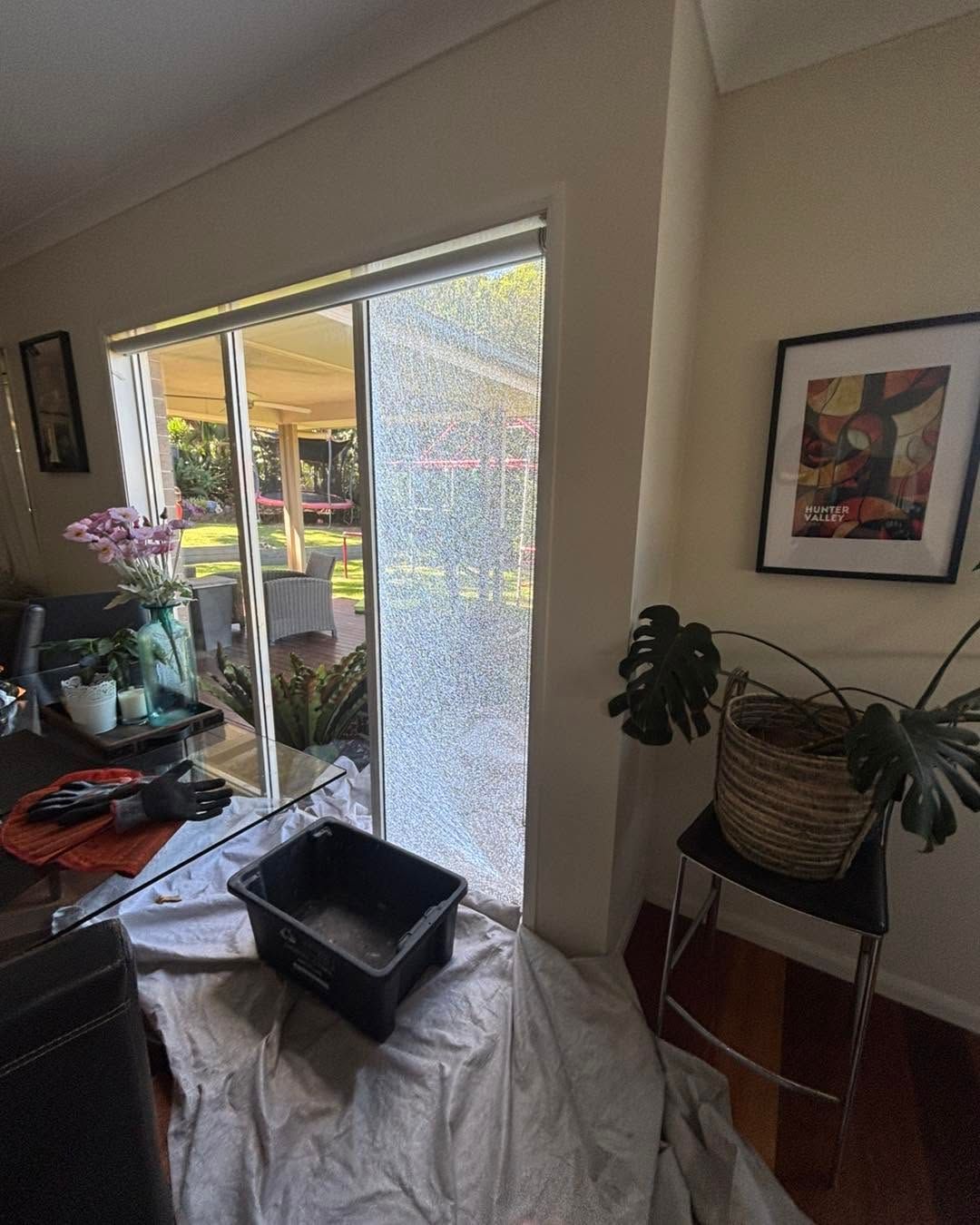
- Windows and doors in residential properties
- Shopfront glazing for commercial spaces
- Internal partitions and design features
- Areas requiring higher levels of safety and durability
Installation Techniques Used by Glaziers
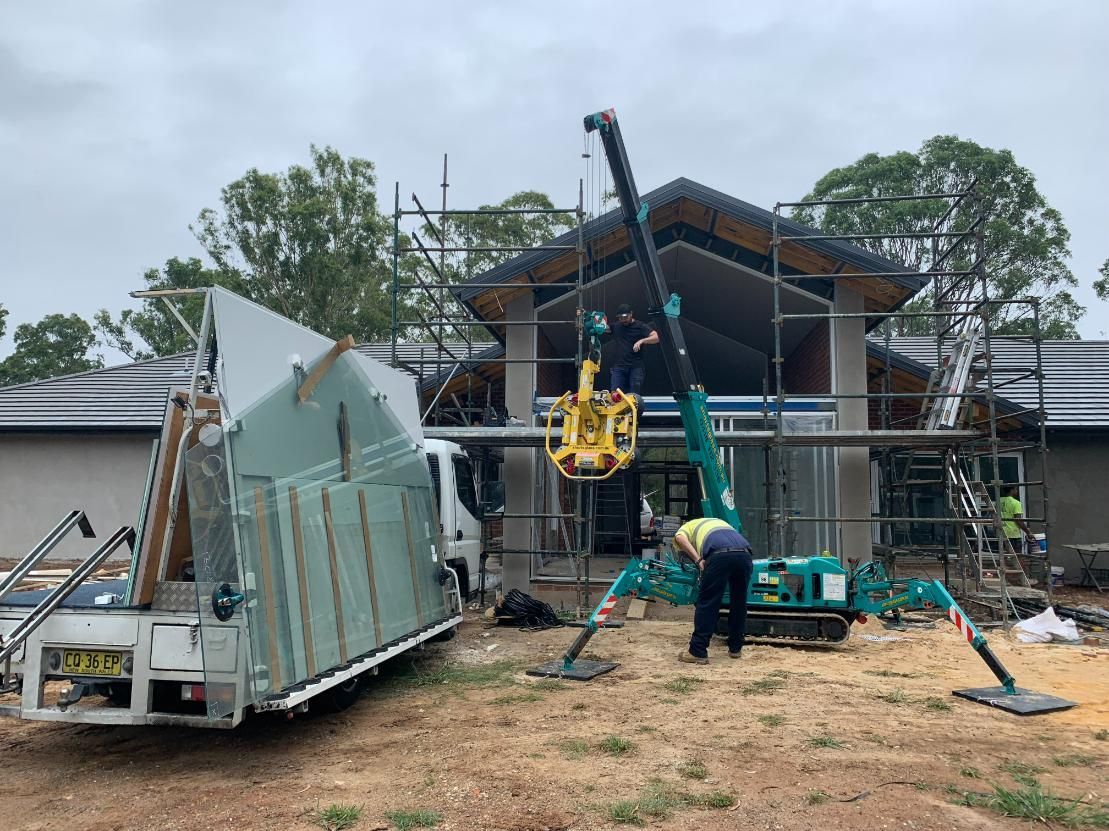
Installing glass requires careful handling and attention to detail. Proper installation supports both the safety and longevity of the glass.
A glazier on the Central Coast uses techniques that align with Australian standards and building requirements.
Installation considerations include:
- Securing glass safely within frames or structures
- Using appropriate sealing and support materials
- Ensuring alignment and stability
- Checking compliance with safety requirements
Choosing the Right Glass for Safety and Performance
Selecting the right glass involves understanding how each option performs and what is required for your specific project. Factors such as safety, durability, energy efficiency and noise reduction all play a role.
Working with a glazier on the Central Coast helps simplify this process and ensures suitable options are considered.
Key factors to consider include:
- The location and purpose of the glass
- Safety and compliance requirements
- Desired level of insulation or noise control
- Long-term durability and maintenance needs
Work with the Right Glazing Team for Your Project
If you’re planning a glazing project or need advice on the types of safety glass suitable for your property, we at Central Coast Glass & Glazing Pty Ltd provide reliable support across a wide range of residential and commercial applications.
Our team focuses on accurate measurement, careful installation and selecting the right materials for each job. By taking a detailed and considered approach, we help deliver glazing solutions that support safety, durability and long-term performance.
To learn more about working with a trusted glazier on the Central Coast, visit Central Coast Glass & Glazing Pty Ltd and explore the range of services available for your next project.